
Henke Ranch
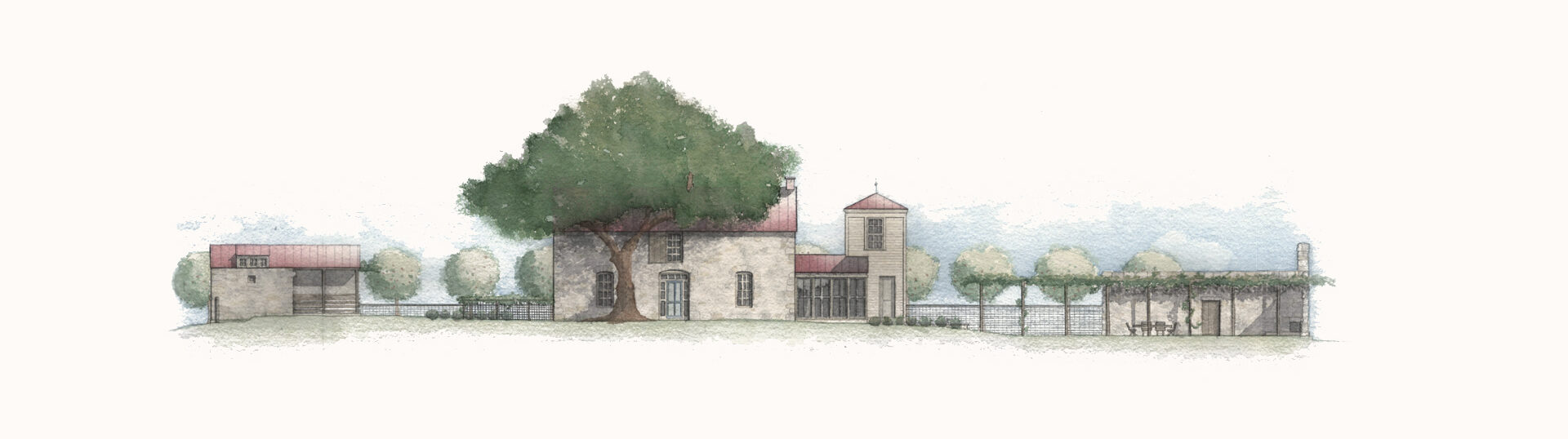
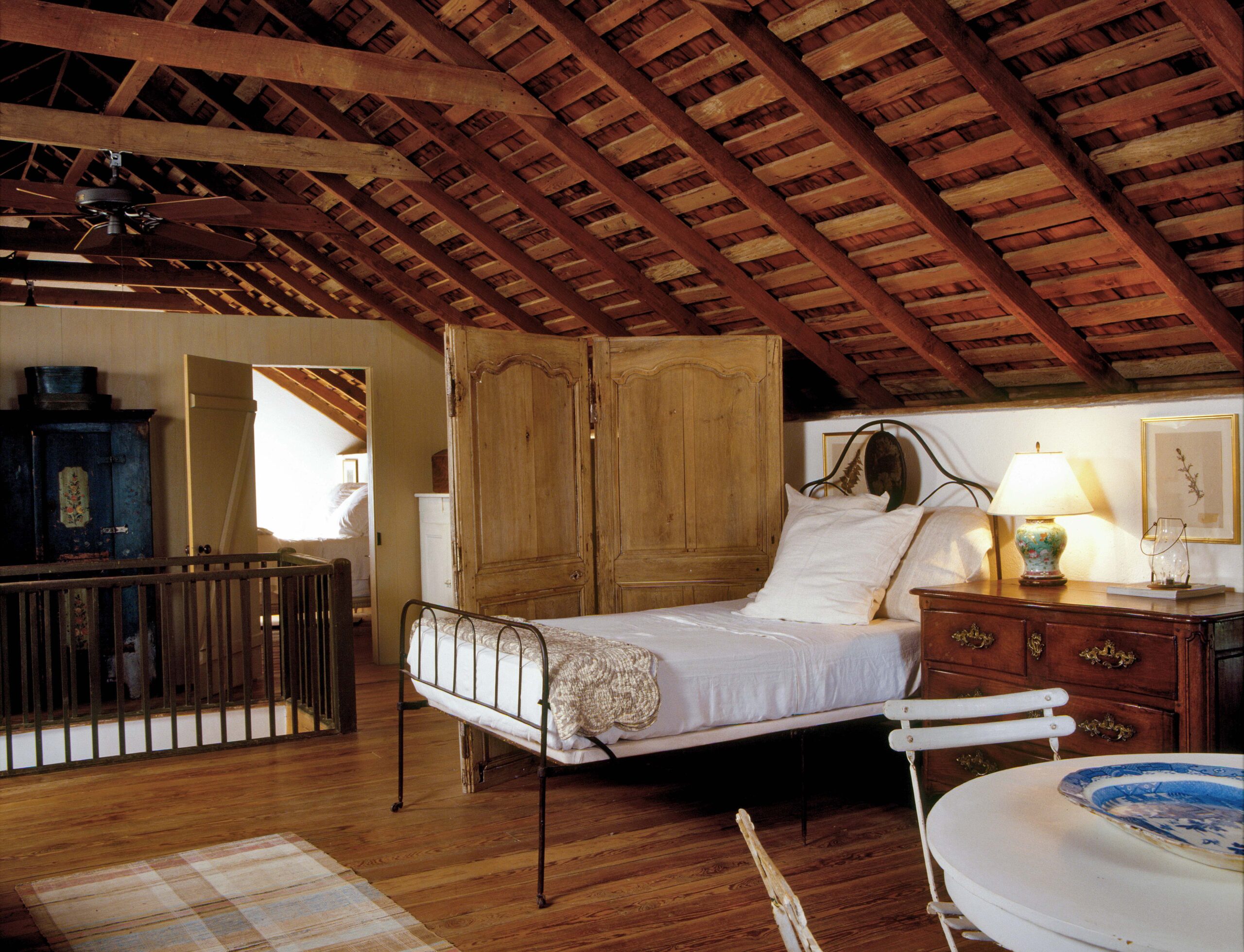
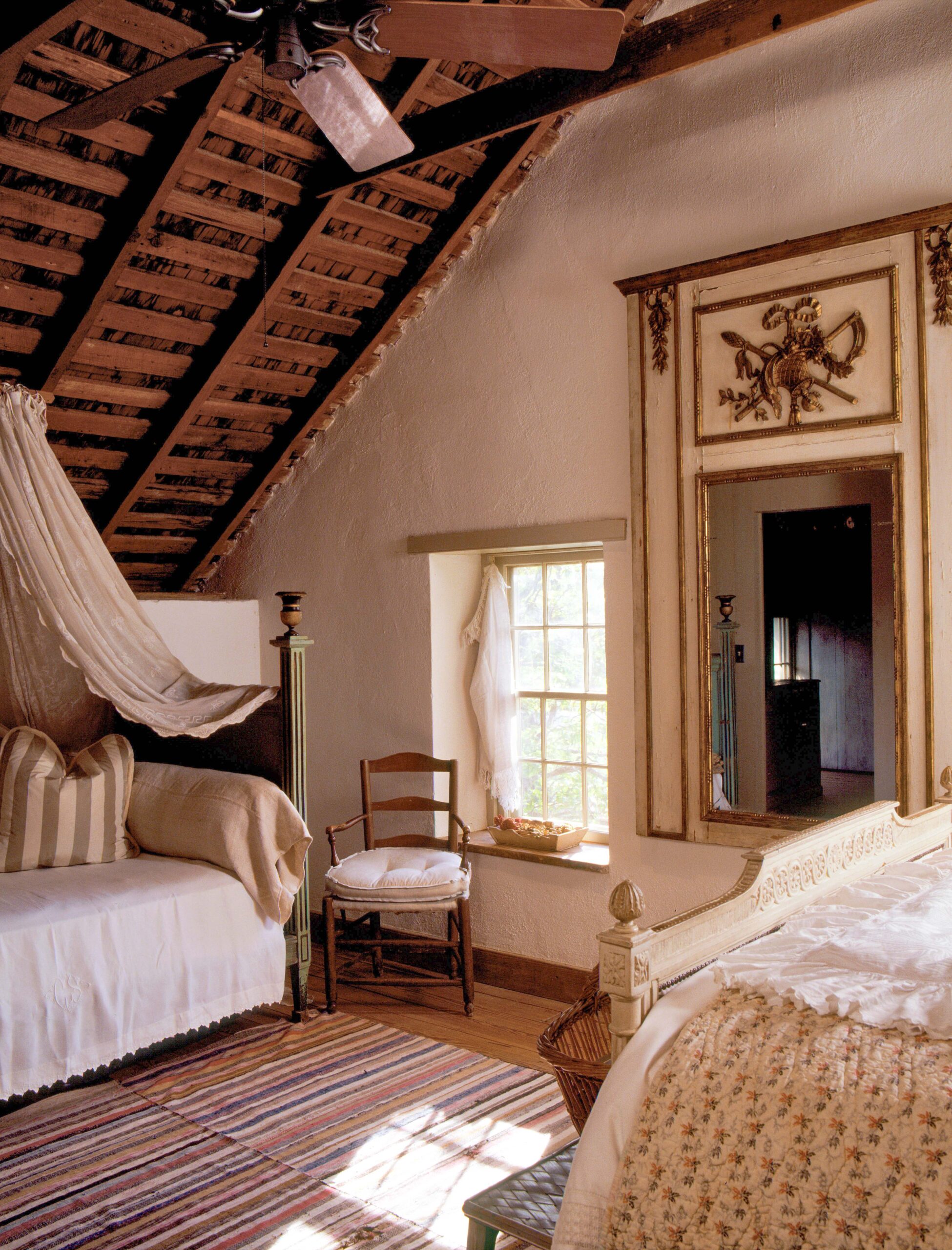
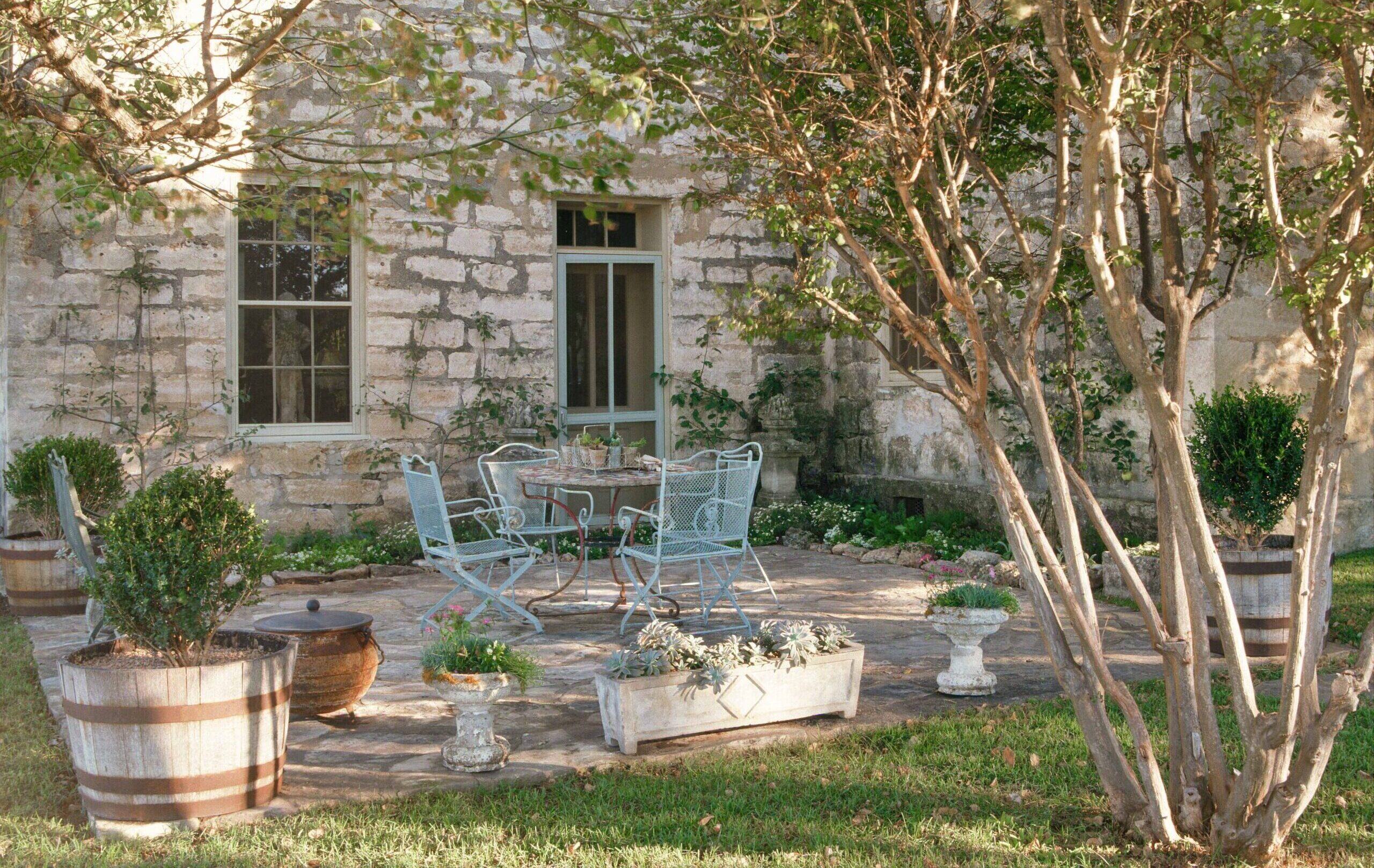
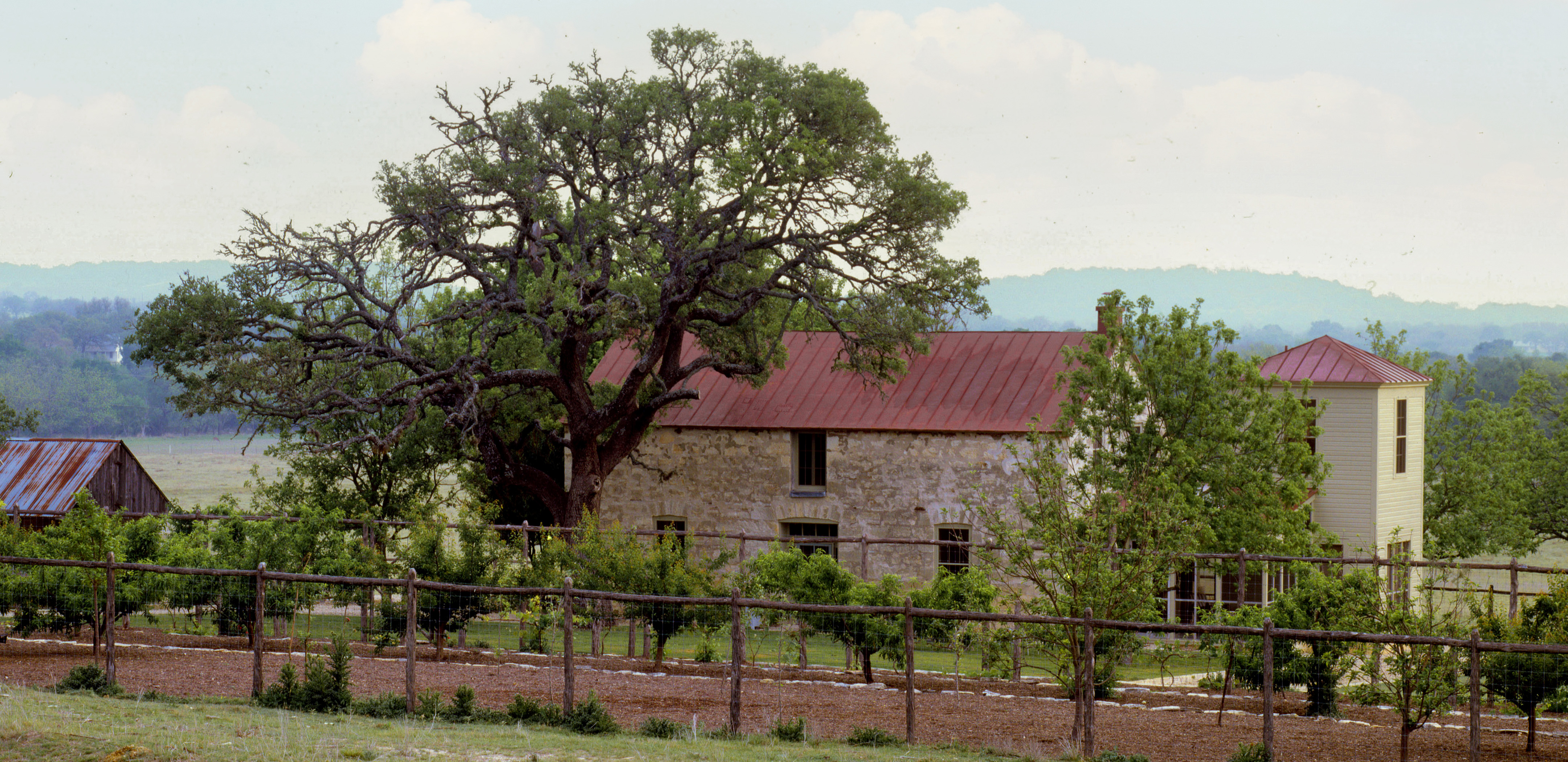
Established in the mid-19th century, the farms original stone barn evolved into a residence around 1870, with a kitchen added at the rear and simple stone partitions defining a modest interior plan. Though the upper floors continued to store mohair, the building remained the core architectural artifact on a site where most other early structures disappeared over time. By the 1960s, modern alterations had obscured much of its character, leaving only the stone walls, smokehouse, and a fragment of the old stable as surviving elements of the original farmstead.
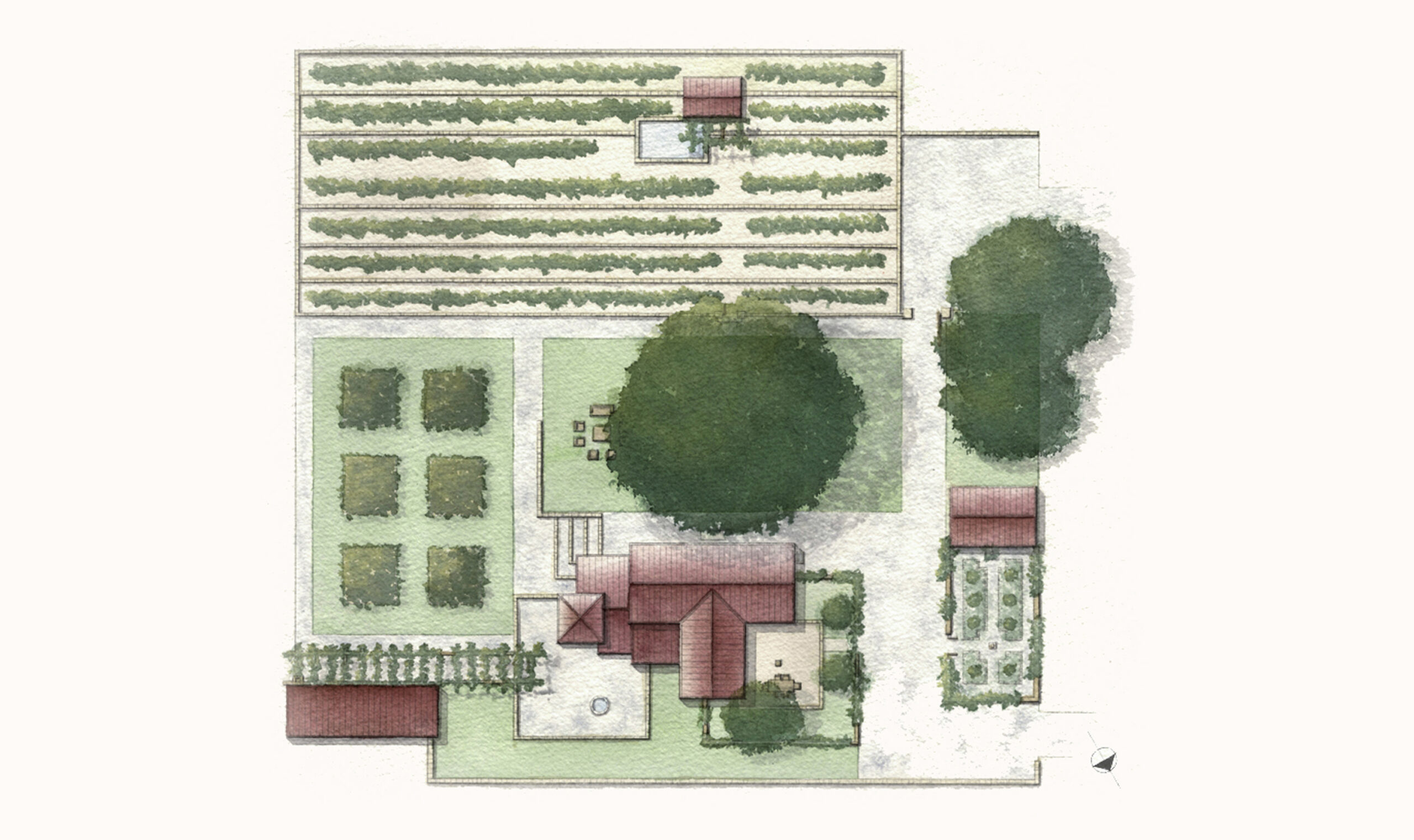
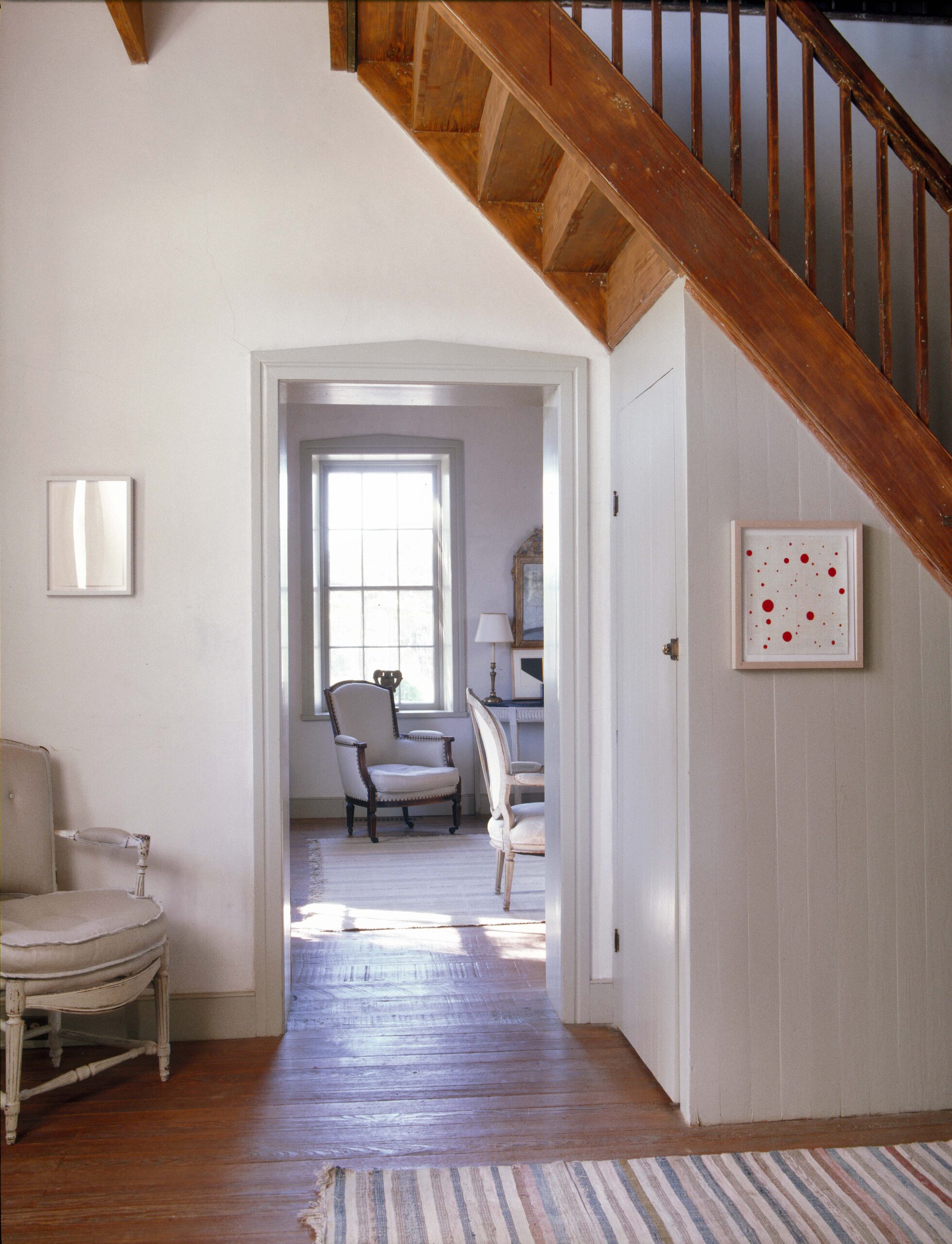
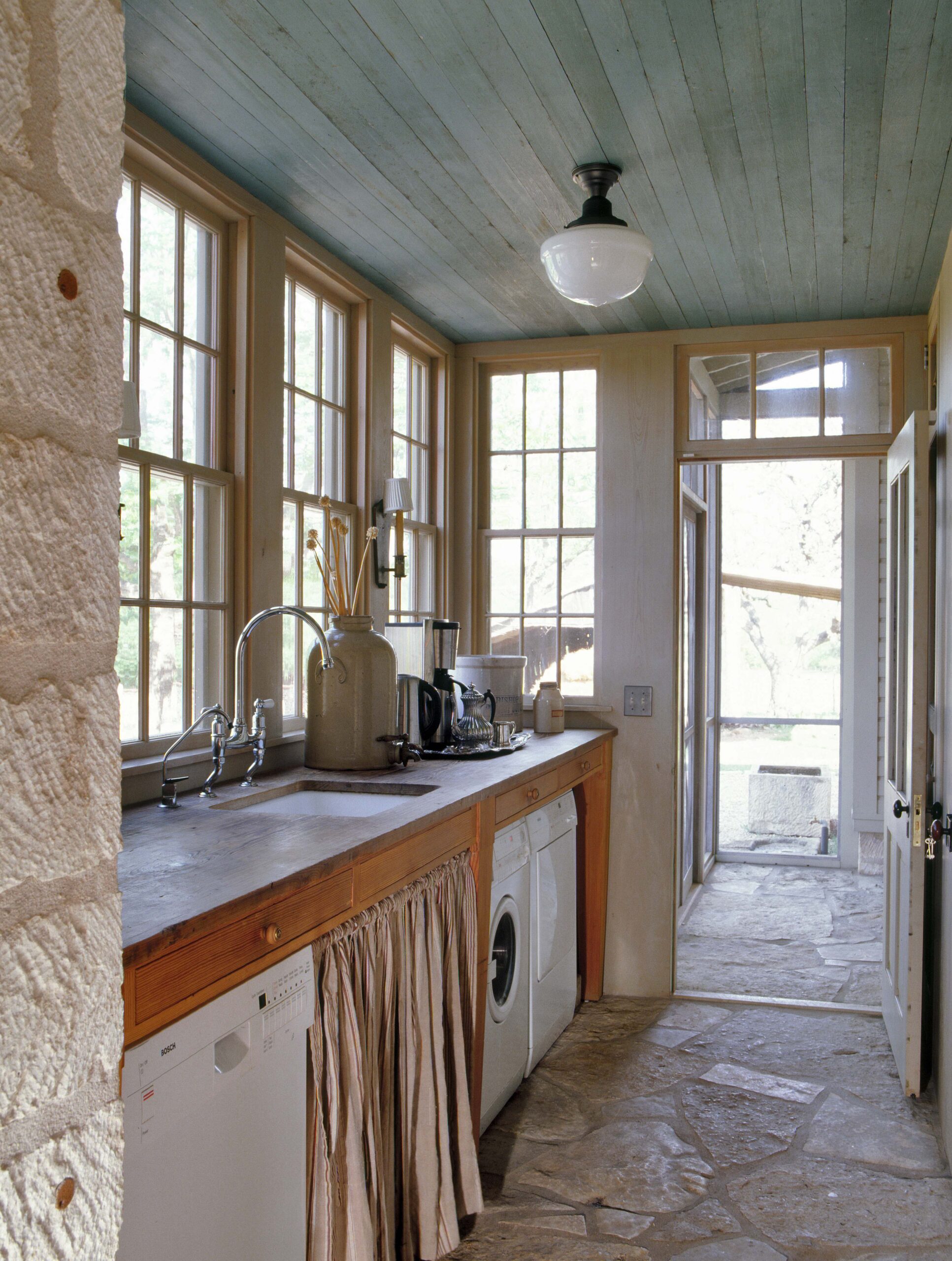
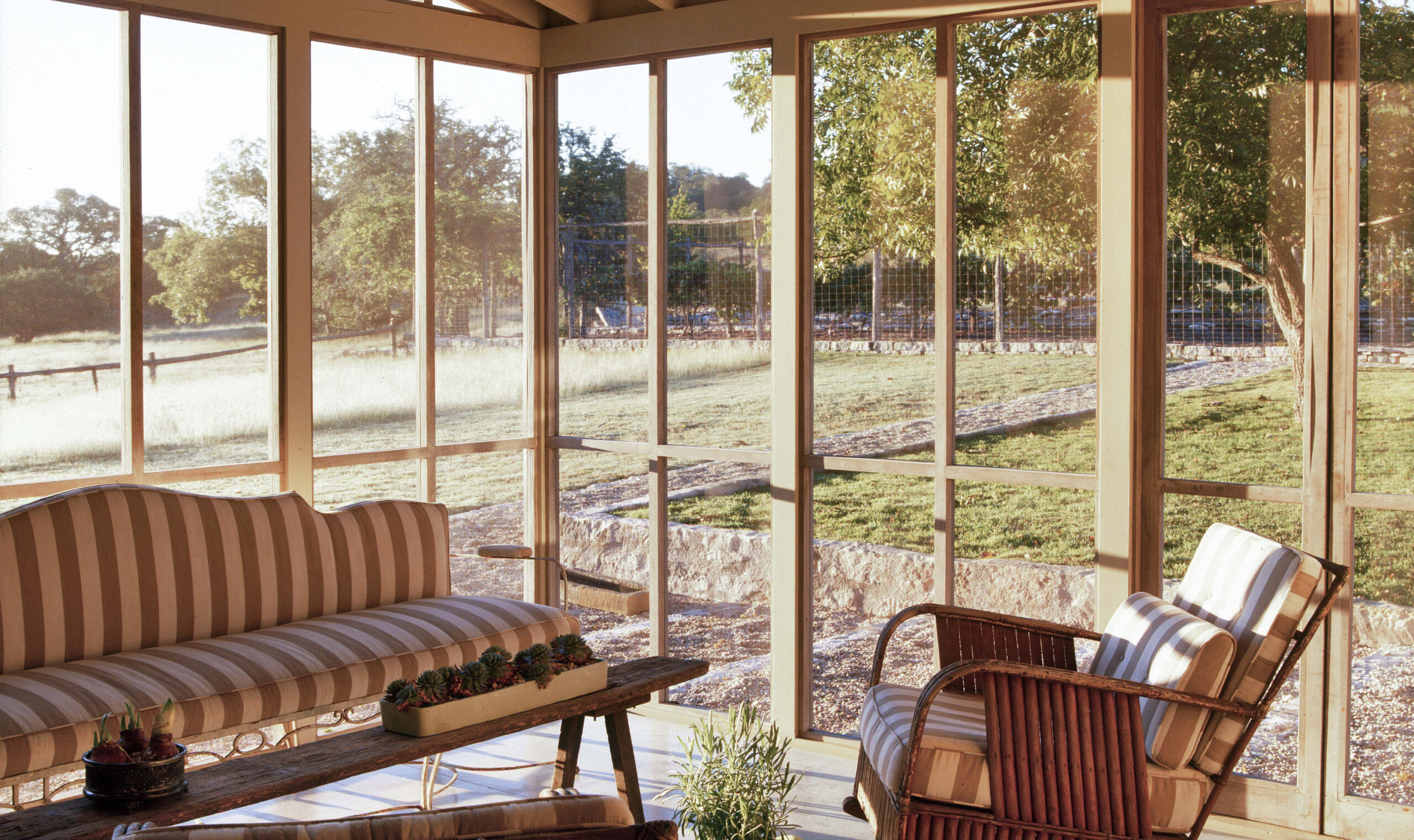
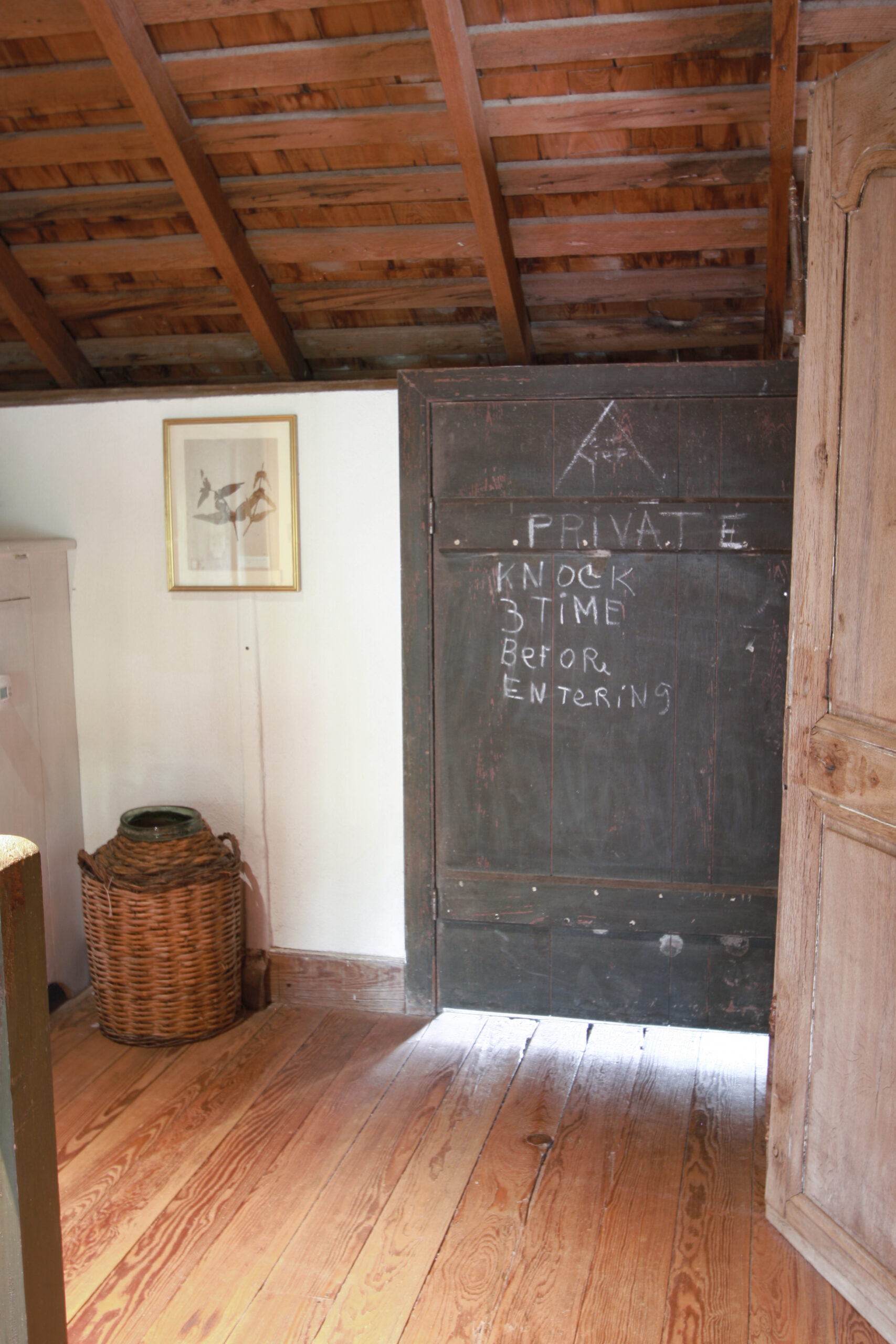
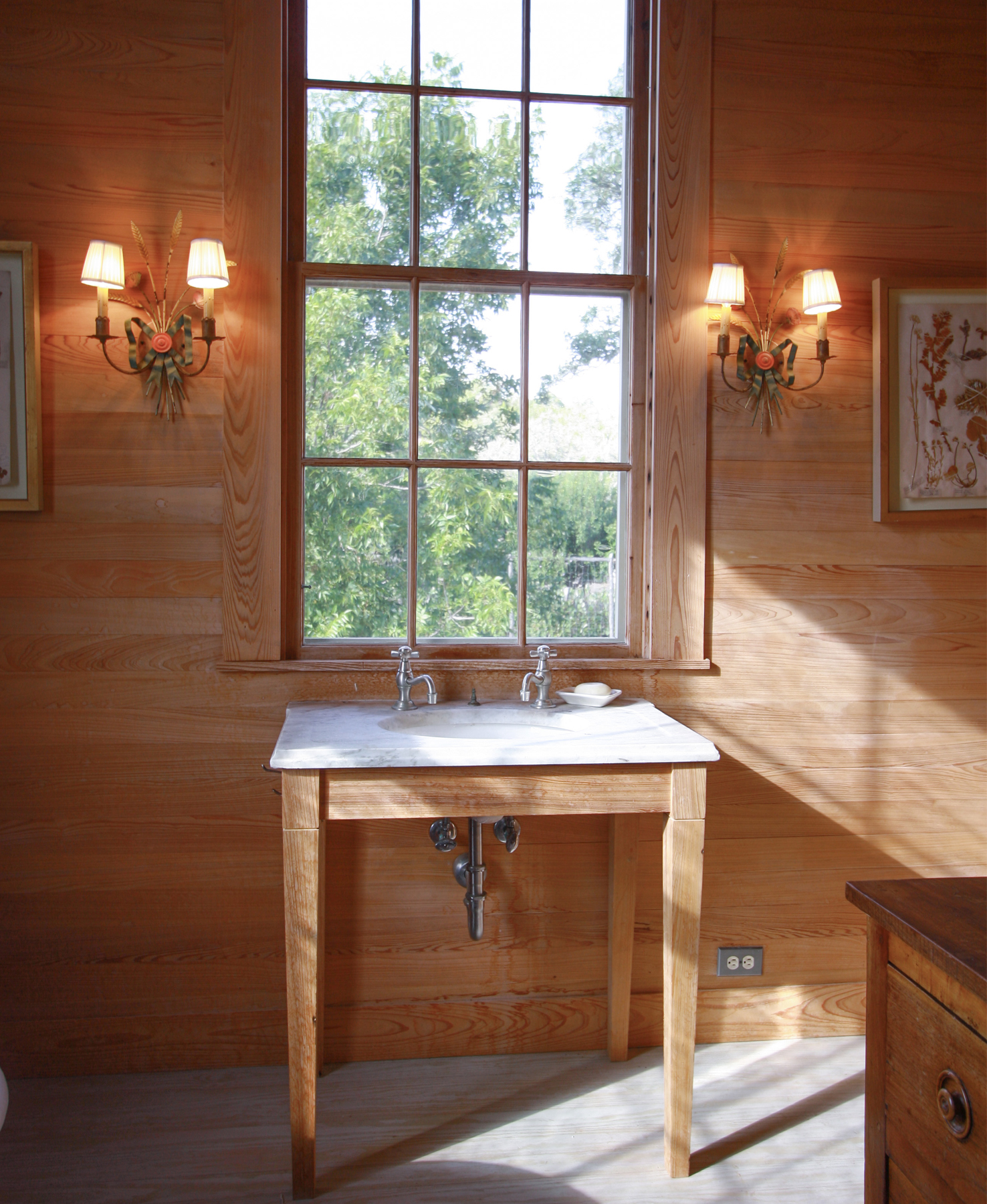
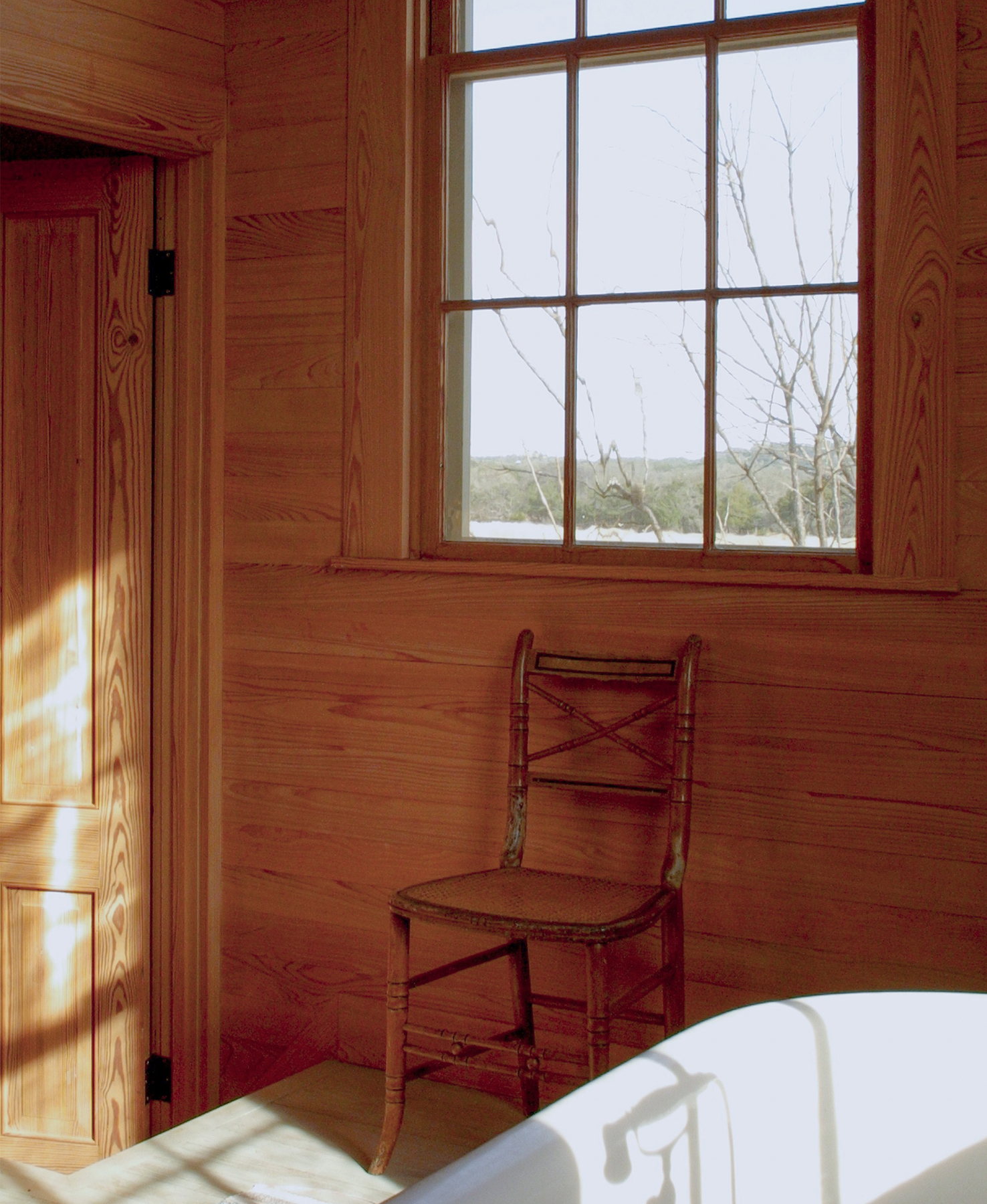
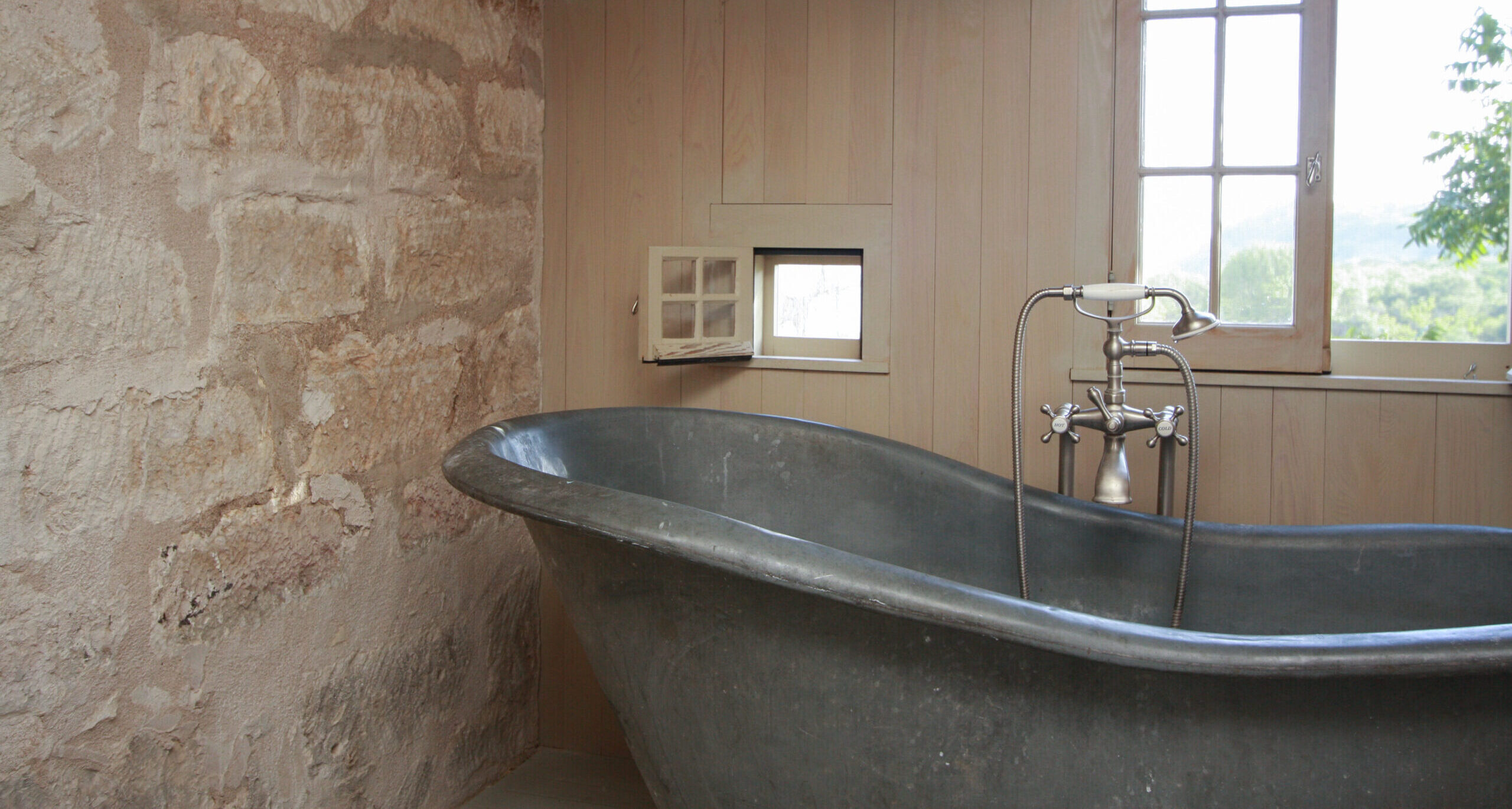
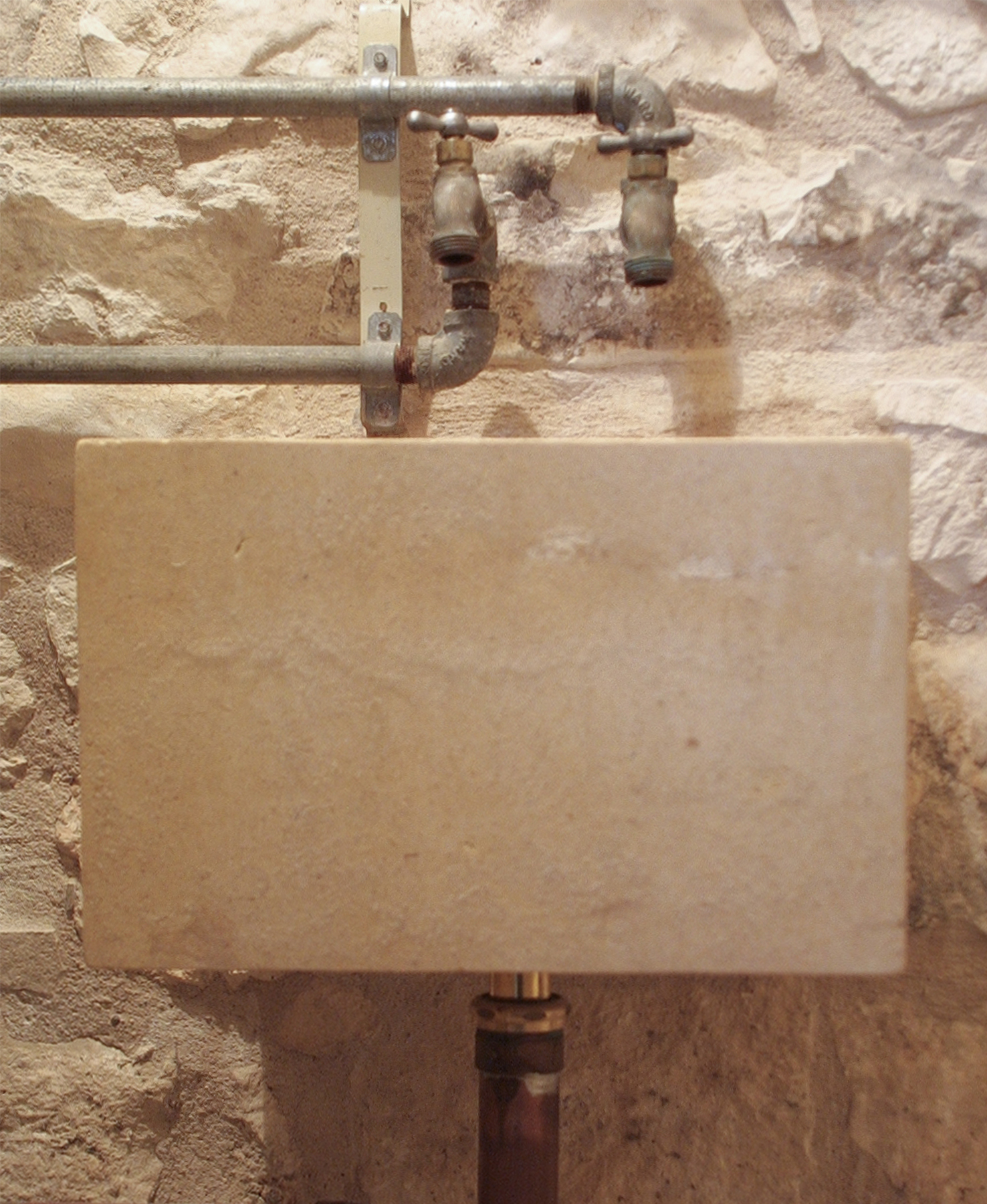
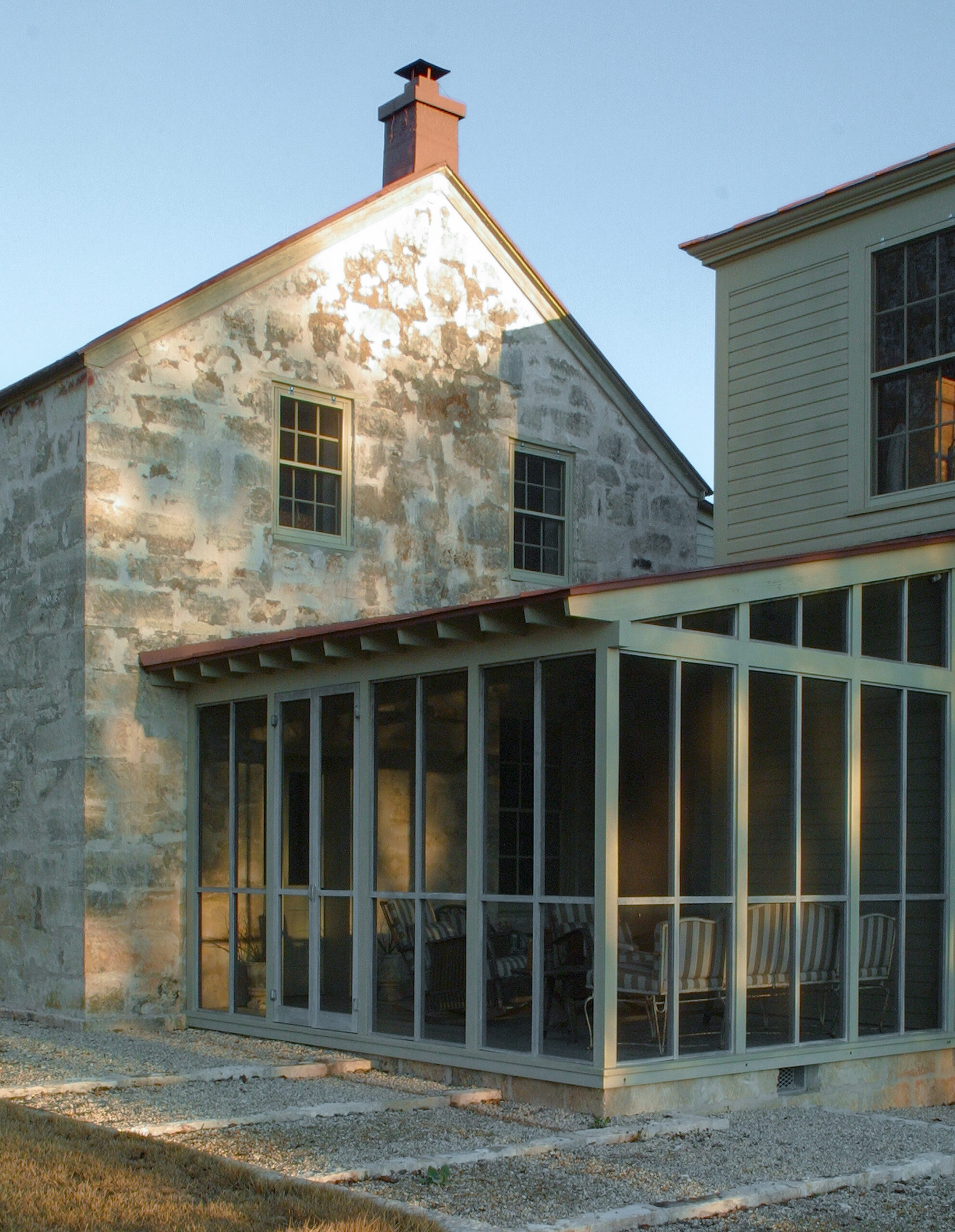
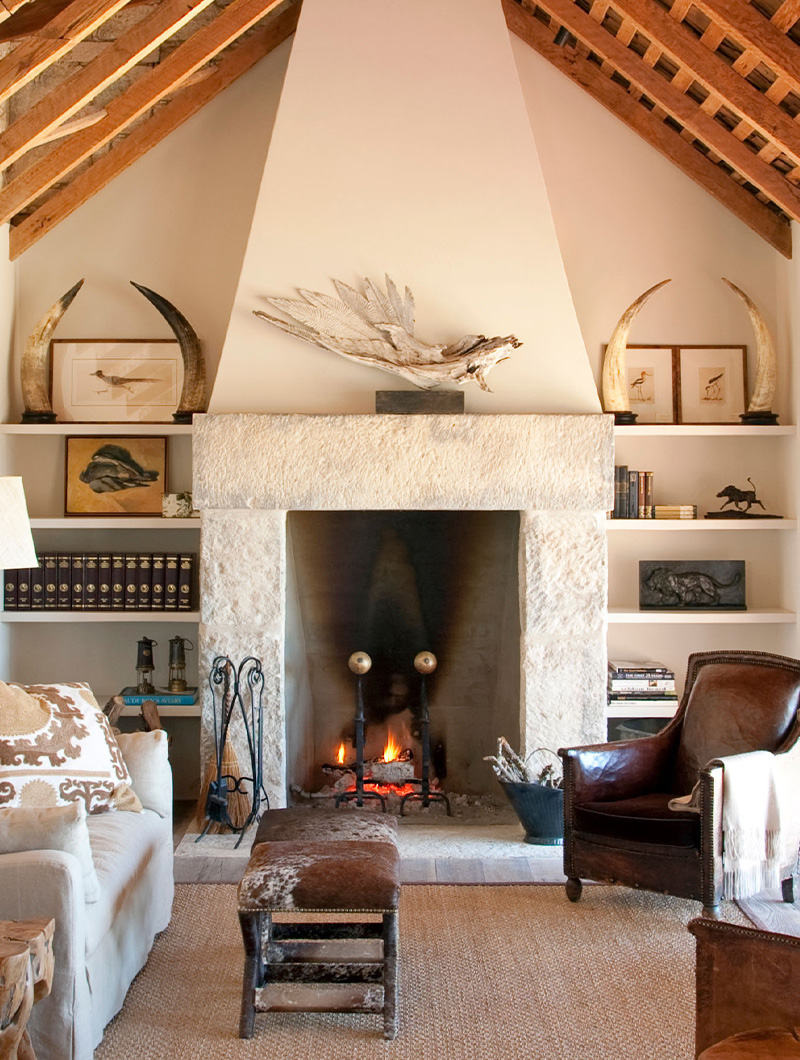
When the property was restored in the early 21st century, the new owner embraced the buildings unusual spatial relationships, its orientation away from the view, the front door facing the rear yard, and the refined gothic tracery set within rugged masonry. All nonhistorical additions were removed to reveal the stone shell, original openings, and early finishes. New mechanical systems were discreetly integrated, with plastered walls and new floors complementing the preserved details. The additions, built in tidewater cypress, respond playfully to the buildings quirks and include a new interior bath, a two-story bath house linked by a screened porch, and the restored smokehouse with an outdoor garden bath.